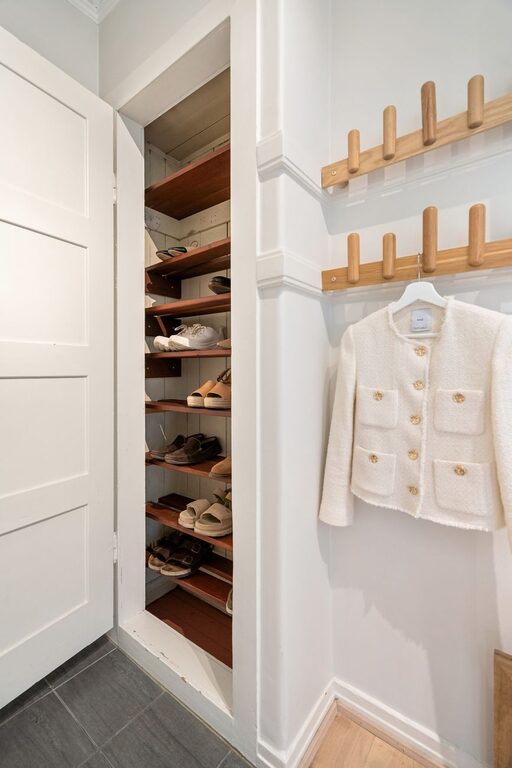
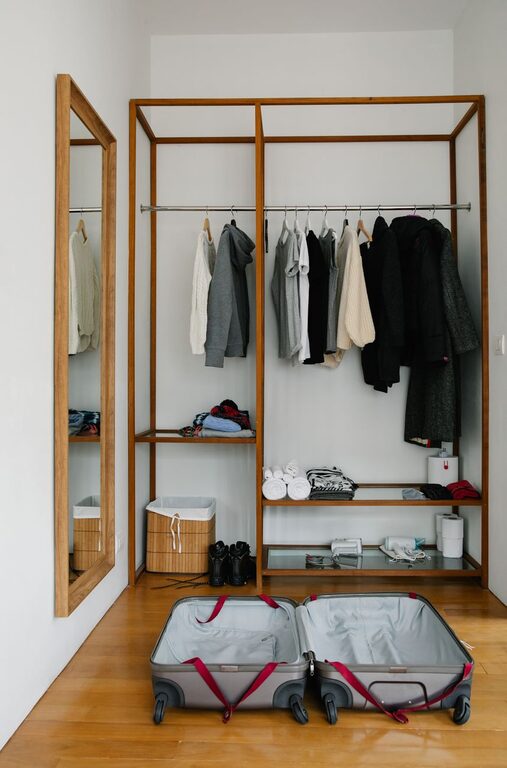
Storing seasonal clothes efficiently can save you time, space, and frustration. Whether you’re packing away winter coats in spring or tucking away summer dresses as fall approaches, keeping your clothes well-organized and protected helps maintain their condition and keeps your living space tidy. This guide offers practical tips to store your seasonal wardrobe efficiently, whether you have a walk-in closet or limited space.
Why Proper Seasonal Clothes Storage Matters
Before diving into the how-to, it’s important to understand why proper storage makes a difference:
– Preserves Fabric Quality: Protection from dust, moisture, and pests keeps clothes looking fresh longer.
– Saves Space: Efficient techniques maximize closet or storage area space.
– Streamlines Seasonal Switching: Organized storage simplifies finding and changing your wardrobe with the seasons.
– Reduces Clutter: Helps maintain a clean, stress-free home environment.
Preparing Clothes for Storage
Clean Everything Thoroughly
Before storing, wash or dry clean your clothes according to care labels. Dirt, sweat, and oils can attract pests and cause stains to set over time. Make sure all items are completely dry to prevent mold or mildew problems.
Repair and Mend
Check for loose buttons, broken zippers, or small tears. Fixing these now avoids bigger problems when you wear the items again next season.
Sort and Declutter
Sort your clothes into categories (e.g., tops, pants, coats) or by individual pieces and accessories. Use this opportunity to donate items you no longer wear or need.
Choosing the Right Storage Containers
The containers you choose play a big role in protecting your clothes and maximizing space.
Plastic Bins with Lids
– Great for protecting against moisture and pests.
– Choose clear bins to quickly see what’s inside.
– Use airtight bins for delicate fabrics.
Fabric Storage Bags
– Breathable and good for natural fibers like wool or cotton.
– Prevent clothes from getting crushed.
– Ideal for hanging garments or bulky coats.
Vacuum-Sealed Bags
– Excellent for saving space by compressing bulky items.
– Best for non-delicate fabrics as compression can affect shape.
– Use cautiously with items prone to wrinkles.
Label Everything
Labeling containers clearly helps you identify contents without opening every bin, speeding up seasonal wardrobe swaps.
Organizing Clothes for Easy Access
Fold vs. Hang
– Fold bulkier items like sweaters, jeans, and t-shirts to prevent stretching.
– Hang dresses, suits, and delicate fabrics to maintain shape and avoid wrinkles.
Use Dividers and Organizers
Drawer dividers, shelf organizers, and hanging organizers create small compartments that keep items separated and easy to find.
Group by Color or Type
Grouping items by color or type simplifies selecting outfits and locating what you need quickly.
Storing Clothes with Protection in Mind
Use Cedar or Lavender
Natural repellents like cedar blocks or lavender sachets keep moths and other insects away without harsh chemicals.
Avoid Plastic Bags for Long-Term Storage
Plastic dry-cleaning bags can trap moisture and cause mildew. Opt for breathable fabric bags instead.
Store in a Cool, Dry Place
Avoid attics or basements prone to extreme temperatures or humidity. A closet or climate-controlled storage area is best.
Keep Heavy Items at the Bottom
Place heavy bins or boxes on lower shelves or floors to prevent crushing more delicate items.
Seasonal Wardrobe Rotation Tips
Plan Ahead
Anticipate when to switch your wardrobe based on weather patterns and lifestyle needs.
Create a “Transition” Box
Keep a small box or basket for clothes that can be worn in multiple seasons, like light jackets or layering pieces.
Maintain a Capsule Wardrobe
Consider keeping only essential pieces year-round and storing the rest to simplify your wardrobe and storage needs.
Maintaining Your Seasonal Clothes Storage
Regular Check-ups
Inspect stored clothes every few months for signs of moisture, pests, or damage. Refresh repellents like cedar as needed.
Air Out Clothes
Before returning items to your closet, air them out to remove any musty odors.
Reassess Storage Solutions
With each season changeover, assess if your storage methods are working or if you need to adjust for better efficiency.
—
By following these tips and investing a bit of time in preparation and organization, you can enjoy a clutter-free closet and well-maintained clothes ready for any season. Efficient seasonal clothes storage is all about smart preparation, choosing the right containers, and keeping your wardrobe easy to navigate. Happy organizing!
About the Author