
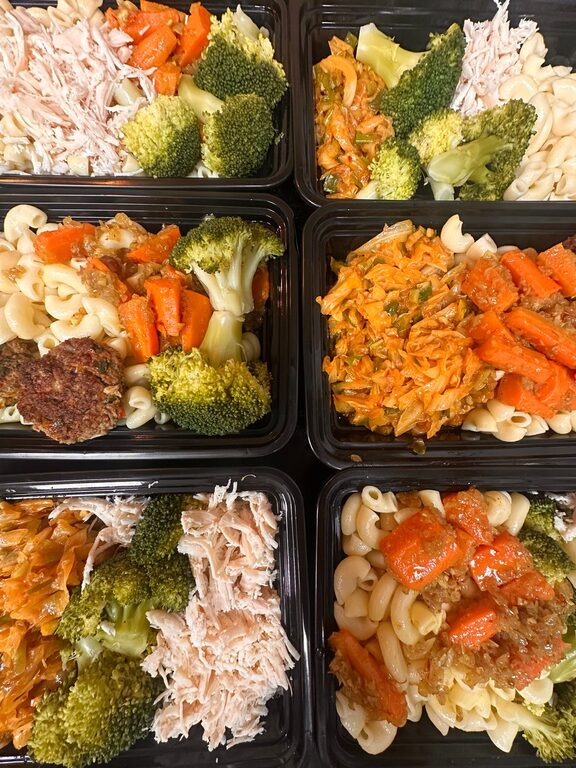
Creating a weekly meal plan can transform the way you approach cooking and eating during a busy week. With a little preparation, you can reduce last-minute decisions, avoid food waste, and enjoy balanced meals without the hassle. This guide will walk you through easy steps to create a simple, effective weekly meal plan tailored to your lifestyle.
Why Meal Planning Matters
Before diving into the how-to, it’s helpful to understand the benefits of meal planning:
– Saves time: Knowing what to cook ahead means fewer trips to the grocery store and faster meal prep.
– Reduces stress: No more scrambling to figure out dinner after a long day.
– Supports healthier eating: Planning meals allows you to include nutritious options and control portions.
– Cuts food waste: Buying only what you need prevents extras from spoiling.
Step 1: Assess Your Weekly Schedule
Begin by looking at your upcoming week. Consider:
– Busy days: Identify days when you’ll need quick meals or leftovers.
– Free days: Plan for recipes that might take longer or involve cooking together as a family.
– Special events: Note any social meals or dining out occasions.
This helps you decide how many meals to plan and the level of effort to invest in each.
Step 2: Choose Your Meals
Start with a list of your favorite dishes or recipes you want to try. Aim for variety to keep meals interesting and balanced.
– Breakfast: Think simple options like oatmeal, smoothies, or eggs.
– Lunch: Sandwiches, salads, or leftovers work well.
– Dinner: Include a mix of proteins, vegetables, and whole grains.
Tips for Choosing Meals
– Use ingredients that can be repurposed across different meals (e.g., roasted chicken for dinner and chicken salad for lunch).
– Incorporate seasonal produce for freshness and cost savings.
– Keep dietary preferences and restrictions in mind.
Step 3: Create Your Meal Plan Template
Use a planner, paper, or digital tools like spreadsheets or apps to lay out your meals for the week. A typical template includes:
| Day | Breakfast | Lunch | Dinner | Snacks |
|———–|—————–|—————-|—————-|—————|
| Monday | | | | |
| Tuesday | | | | |
| … | | | | |
Fill in this template with your chosen meals, noting any leftovers or quick options for busy days.
Step 4: Make a Grocery List
Once your meals are selected, write down all the ingredients you’ll need. Organize your list by grocery store sections (produce, dairy, meat, pantry) to make shopping efficient.
Tips for Grocery Shopping
– Check your pantry and fridge first to avoid buying duplicates.
– Buy in bulk when it makes sense, especially for staples like rice or frozen vegetables.
– Consider pre-cut or pre-washed produce if short on time.
Step 5: Prepare Ahead
To make your week easier, spend some time prepping ingredients or meals before the week starts.
– Chop vegetables and store them in containers.
– Cook grains or proteins in advance.
– Portion snacks into single servings.
– Use slow cookers or instant pots for hands-off cooking.
Step 6: Stay Flexible
Even the best plans may need adjusting. Keep a few backup options handy, like frozen meals or pantry staples that can be quickly turned into a meal.
If plans change, feel free to swap meals around as needed.
Bonus Tips for Successful Meal Planning
– Start simple: Don’t overwhelm yourself with complicated recipes at first.
– Use leftovers creatively: Turn last night’s dinner into a new meal.
– Involve the family: Let everyone suggest meals to increase buy-in.
– Track your success: Note what works well and what you’d change next week.
Sample Simple Weekly Meal Plan
| Day | Breakfast | Lunch | Dinner | Snack |
|———|——————–|————————|————————|———————–|
| Monday | Yogurt with fruit | Turkey sandwich | Stir-fry with veggies | Nuts and an apple |
| Tuesday | Oatmeal | Leftover stir-fry | Baked salmon and rice | Carrot sticks |
| Wednesday | Smoothie | Garden salad | Pasta with tomato sauce| Hummus and pita |
| Thursday| Scrambled eggs | Chicken wrap | Vegetable soup | Cheese and crackers |
| Friday | Toast & peanut butter | Leftover soup | Homemade pizza | Fresh fruit |
Conclusion
Creating a simple weekly meal plan doesn’t have to be complicated or time-consuming. By assessing your schedule, choosing meals thoughtfully, preparing ahead, and staying flexible, you can enjoy stress-free cooking and healthier eating all week long. Start small, adapt as you go, and watch how meal planning makes your life easier.
Happy cooking!
About the Author