
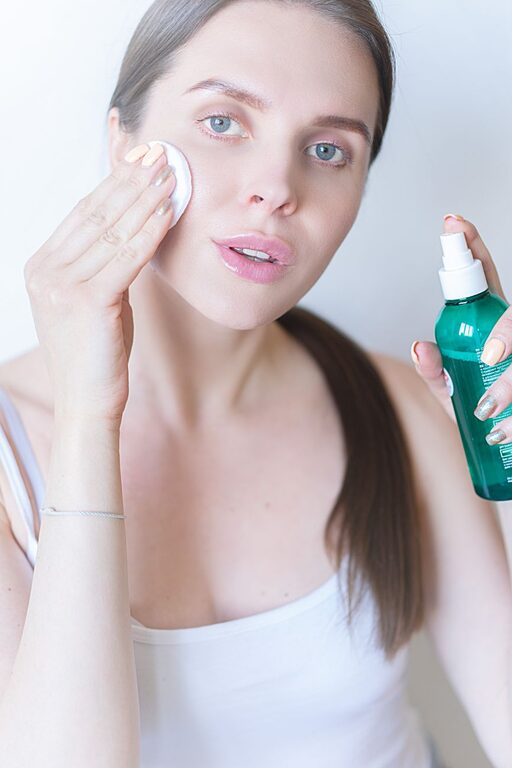
Starting a skincare routine might seem overwhelming at first, especially with so many products and advice available. However, building a simple, effective skincare routine doesn’t have to be complicated. Whether you’re a complete beginner or looking to refresh your habits, this guide will help you understand the basics of skincare and how to create a routine that fits your needs.
Why a Skincare Routine Matters
Your skin is your body’s largest organ and a barrier against environmental stressors like pollution, sun exposure, and dryness. A consistent skincare routine helps maintain your skin’s health, address specific concerns like dryness or oiliness, and support a glowing complexion.
Even a basic routine consisting of just a few steps can protect your skin and improve its texture and appearance over time.
Step 1: Identify Your Skin Type
Before choosing products, it’s useful to know your skin type because it guides what products will work best for you. The main skin types include:
– Normal: Balanced, not too oily or dry
– Dry: Flaky, rough, or tight feeling skin
– Oily: Shiny skin with larger pores and potential for breakouts
– Combination: Oily in some areas (usually the T-zone) and dry or normal in others
– Sensitive: Easily irritated, red, or prone to itching
To determine your skin type, wash your face and wait an hour without applying any products. Then observe how your skin feels and looks. This simple test helps you pick the right cleanser, moisturizer, and other essentials.
Step 2: The Basic Skincare Routine Steps
A basic skincare routine typically involves three essential steps: cleansing, moisturizing, and sun protection. Here’s how to do each one effectively.
1. Cleansing
Cleansing removes dirt, oil, and impurities from your skin, preparing it for moisturizer and other treatments.
– Use a gentle cleanser suited for your skin type. For example, a hydrating cleanser for dry skin or a foaming cleanser for oily skin.
– Wash your face twice daily (morning and night) with lukewarm water.
– Avoid harsh scrubs or soap that can dry or irritate your skin.
– Gently pat your face dry with a clean towel.
2. Moisturizing
Moisturizer helps keep your skin hydrated and protects its natural barrier.
– Choose a moisturizer based on your skin type: lightweight, oil-free lotions for oily skin; richer creams for dry skin.
– Apply moisturizer after cleansing while your skin is still slightly damp for better absorption.
– For sensitive skin, look for fragrance-free or hypoallergenic options.
3. Sun Protection
Daily sunscreen use protects your skin from harmful UV rays, preventing premature aging and potential damage.
– Apply a broad-spectrum sunscreen with at least SPF 30 every morning, even on cloudy days.
– Reapply every two hours if you are outdoors for an extended time.
– Look for sunscreen that suits your skin type and feels comfortable on your skin.
Optional Extras for a Simple Routine
Once you are comfortable with the basics, you might want to add a few extra steps to address specific needs:
Toner
– Helps balance skin’s pH and can add gentle hydration.
– Use a toner suited for your skin type, and apply it after cleansing.
Serum
– Concentrated formulas targeting concerns like dullness, dark spots, or fine lines.
– Apply serums after toner and before moisturizer.
Exfoliation
– Removes dead skin cells to reveal smoother skin.
– Use a gentle exfoliant 1-2 times per week. Avoid over-exfoliating, which can damage your skin.
Tips for Success
– Patch test new products: Apply a small amount on your wrist or behind your ear to check for irritation.
– Be consistent: Results from skincare products take time—usually several weeks.
– Avoid harsh ingredients: Stay away from products with alcohol, strong fragrances, or abrasive scrubs if you have sensitive skin.
– Stay hydrated and eat well: Good skin partly comes from good lifestyle habits.
– Keep it simple: Don’t feel pressured to use many products; quality matters more than quantity.
Common Mistakes to Avoid
– Skipping sunscreen on non-sunny days
– Using too many products at once
– Sleeping with makeup on
– Using hot water to wash your face (it strips oils)
– Neglecting to moisturize oily skin (it still needs hydration)
Final Thoughts
Starting a basic skincare routine doesn’t require expensive products or complicated steps. By understanding your skin type and focusing on cleansing, moisturizing, and sun protection, you can build a routine that keeps your skin healthy and radiant. Remember to listen to your skin and adjust your routine as needed.
Taking care of your skin is a form of self-care that benefits your confidence and comfort every day. Now that you have the basics, you’re ready to make skincare a simple, enjoyable part of your daily routine!
About the Author