
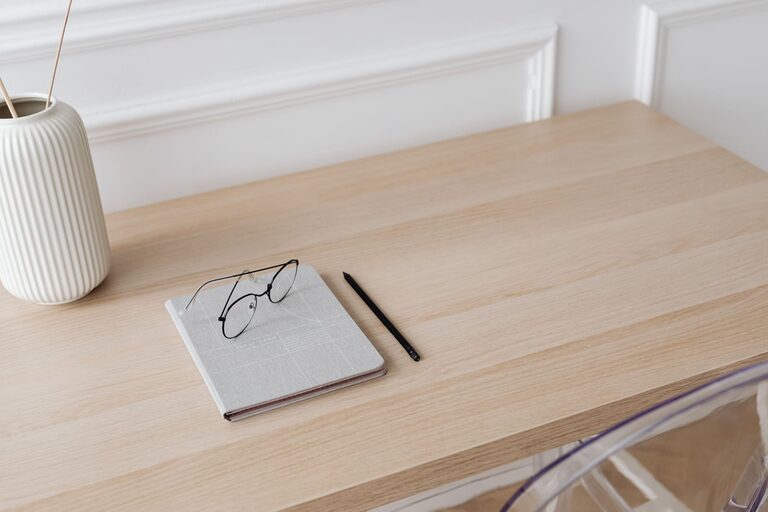
Creating a relaxing home workspace is essential for maintaining focus, reducing stress, and improving overall productivity. Whether you work remotely full-time or occasionally from home, your environment plays a big role in how well you perform and feel throughout the day. This guide offers practical tips and ideas to help you design a calming, comfortable, and efficient workspace right in your own home.
Why a Relaxing Workspace Matters
Working from home can blur the lines between personal and professional life. A cluttered, noisy, or poorly designed workspace can lead to distractions, fatigue, and decreased motivation. Conversely, a relaxing workspace helps clear your mind, encourages creativity, and makes work feel less like a chore.
Choosing the Right Location
Find a Quiet Spot
Look for a place in your home that is as quiet as possible. Avoid high-traffic areas where family members or pets often pass through. If you don’t have a separate room, try to carve out a dedicated corner with minimal distractions.
Consider Natural Light
Natural light improves mood and alertness. Position your desk near a window if possible, but avoid direct sunlight on your computer screen to reduce glare. If natural light is limited, invest in soft, warm artificial lighting that mimics daylight.
Furnishing for Comfort and Function
Select an Ergonomic Chair
A comfortable chair with good lumbar support is crucial. Sitting for long hours without proper support can lead to back pain and discomfort. Adjustable chairs help you find the right height and posture.
Use a Suitable Desk
Choose a desk that fits your space and needs. A clutter-free surface allows you to stay organized. If space permits, consider a standing desk or one with adjustable height to alternate between sitting and standing throughout the day.
Organize with Storage Solutions
Storage helps keep your workspace tidy. Use shelves, drawers, or baskets to store supplies and paperwork. Labeling can make finding things faster and reduce clutter.
Personalizing Your Space
Add Plants
Indoor plants not only improve air quality but also add a soothing natural element to your workspace. Low-maintenance plants like succulents, snake plants, or pothos are great choices for busy professionals.
Incorporate Calming Colors
Colors influence mood. Soft blues, greens, and neutrals create a calm and inviting atmosphere. Avoid overly bright or harsh colors that may cause visual fatigue.
Display Meaningful Items
Personal touches such as photographs, artwork, or inspirational quotes can make your workspace more enjoyable. However, limit decorations to prevent distractions.
Reducing Noise and Distractions
Use Noise-Canceling Headphones
If your environment is noisy, noise-canceling headphones can help you concentrate. Listening to calming background music or white noise may also improve focus.
Set Boundaries with Family or Roommates
Communicate your working hours and the importance of minimal interruptions. Consider using a sign or closed door to signal when you need quiet time.
Maintaining Cleanliness and Organization
Develop a Daily Cleanup Routine
Spend a few minutes at the end of each day tidying your desk, filing documents, and putting away supplies. A clean workspace prepares you mentally for the next day.
Minimize Digital Clutter
Organize your computer files and inbox regularly. A clutter-free digital environment complements your physical workspace and reduces stress.
Incorporating Relaxation Breaks
Schedule Short Breaks
Taking regular breaks helps prevent burnout. Use techniques like the Pomodoro Technique—work for 25 minutes, then take a 5-minute break.
Create a Relaxation Corner
If space allows, set up a small area with a comfortable chair or cushion where you can stretch, meditate, or simply rest your eyes during breaks.
Final Tips for a Relaxing Workspace
– Keep your workspace dedicated to work only to separate professional and personal life.
– Invest in quality tools and accessories that improve comfort and efficiency.
– Adjust your setup over time based on what works best for your productivity and well-being.
– Remember that simplicity often leads to the most peaceful environment.
Creating a relaxing home workspace is about balancing comfort, functionality, and personal style. With thoughtful planning and small changes, you can transform your home office into a peaceful haven that supports your best work.
About the Author